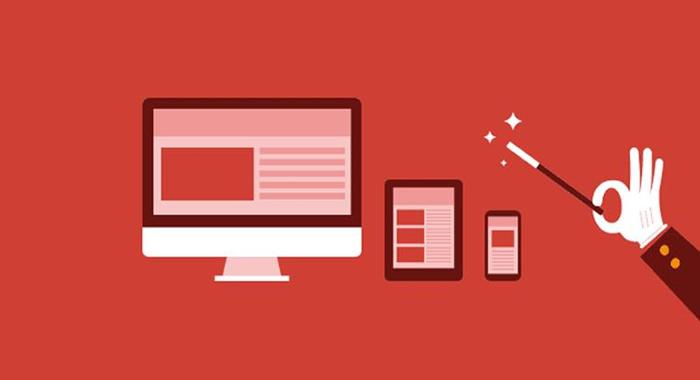
Guide your users down the right path: 6 website design tips to optimise user engagement
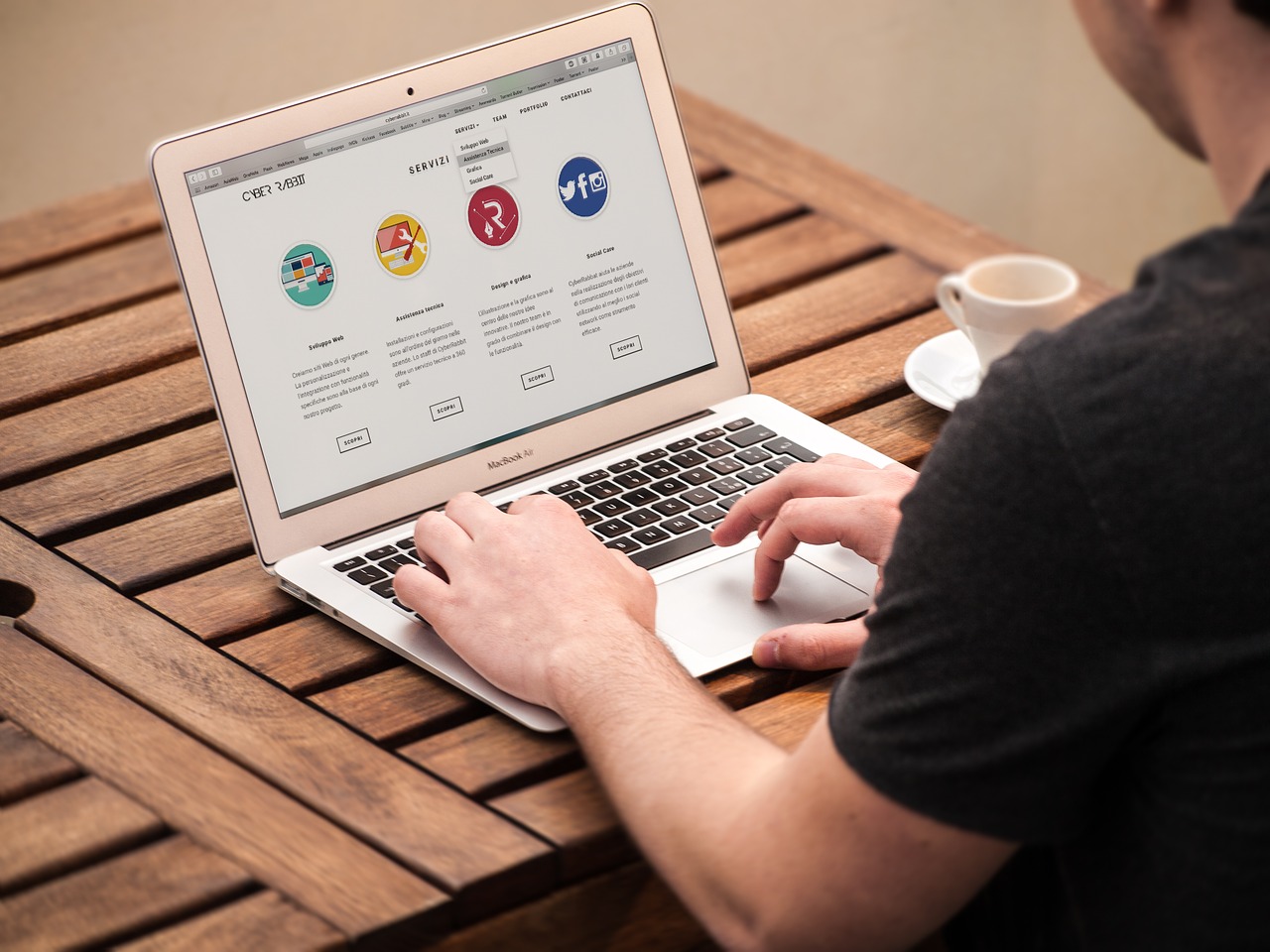
Website design is about far more than your site just looking nice. It’s about creating a site which optimises your users’ experience; both for them, and for you. A well-designed site will allow your users to engage with you and to find out the information they need, but a really well-designed site will mean that they do it on your terms.
Here are some of our top tips for enhancing user engagement via website design.
-
Ensure that you have a balance between the visual elements and text on the site to make it readable for users, with sufficient white space so that they can easily find information relevant to their interests.
-
You may have a limited budget, but investing in your own photography rather than stock photography can transform your website design and make you seem more credible and subsequently your user engagement.
-
Make sure your website design features call to actions – this means download links, sign up links; really anything which gets your user to do something. To ensure that your CTAs are persuasive enough to make users click them, take the necessary steps to create them with readers in mind. Focus on designing buttons that are vibrant and bold, standing out on your site so that potential customers don’t have to search for them. Identify user pathways and at what point on the site your audience is most likely to need that button and move forward. Utilize compelling language to encourage more clicks and maintain interest.
-
An important thing to remember about your website design is that when users come to your site, they’re looking to fulfil a need. If you fail to convince them that your brand understands why they have landed on your site, the user will be hitting the back button within seconds to find an alternative company that can. Make your central messaging bold and concise – prove your value instantaneously.
-
Usability should be at the heart of your entire website design—this is critical to keeping users engaged. If you’re providing an excellent user-experience, you’ll be able to generate significant engagement.
-
Measure your success; how often to users sign up to your call to actions? How many visitors come back to your site? Measure what works and what doesn’t, and use that to inform your website design.